GLP-1s work on appetite — but your metabolic rate is a separate variable
Suppressing hunger reduces intake; it doesn't change how efficiently your body burns what it consumes.

Weight loss on GLP-1s includes muscle, not just fat
Lean mass loss reduces resting metabolic rate over time — quietly undermining long-term results.

Reduced appetite means reduced nutrient intake — including what your metabolism needs
B vitamins, magnesium, and protein are among the first to fall short, and all three are directly involved in energy metabolism.

Your gut microbiome changes on GLP-1 therapy — and not always for the better
Altered gastric emptying shifts the bacterial environment; prebiotic fiber helps maintain the balance your gut needs.

Fatigue on GLP-1s is common — and it's not just from eating less
It reflects real changes in how cells produce ATP — a mechanism that mitochondrial support addresses directly.

GLP-1 therapy changes the inputs. What happens with those inputs is still up to your biology.
Stress response affects GLP-1 outcomes more than most people realize
Elevated cortisol promotes insulin resistance and abdominal fat storage — directly countering what GLP-1 therapy is trying to do.

GLP-1s don't reduce how much dietary fat you absorb
They reduce how much you eat — the fat that does come in is still absorbed at baseline rate.

How much fat your body absorbs is separate from how much you eat
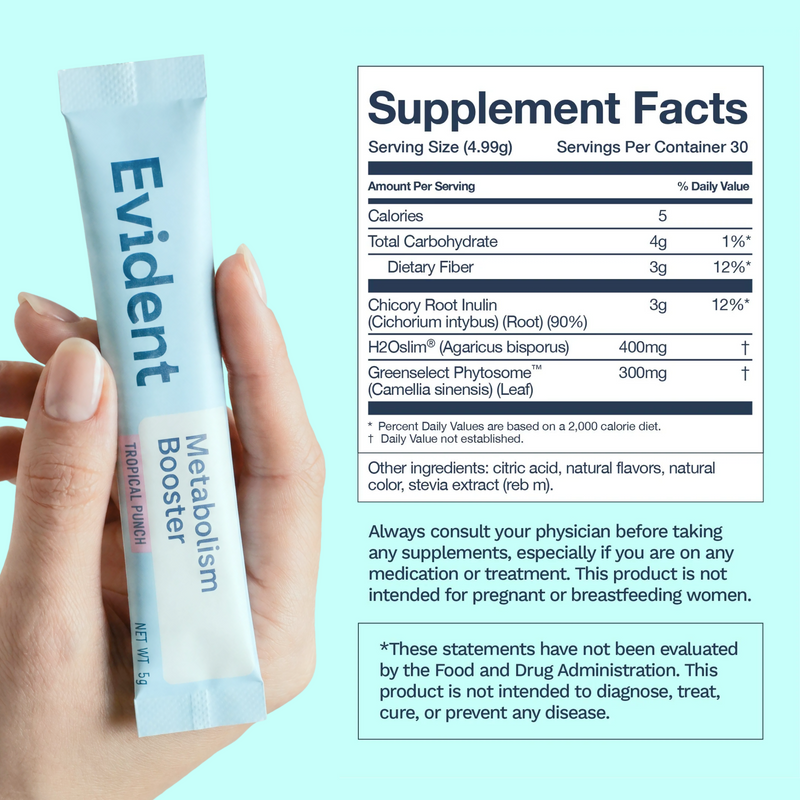
H2OSlim® binds dietary fat before absorption — non-stimulant and non-systemic — so dietary fat handling is supported independently of how much you eat.

Most GLP-1 outcomes require 12–24 weeks — and life gets complicated
The simplest possible supplement format is the one most likely to survive a difficult week.

Nausea and digestive disruption affect whether people stay on therapy
Non-stimulant, gut-friendly support is a practical tool for staying on track through the adjustment period.

GLP-1 results plateau — and metabolic adaptation is why
As weight drops, metabolic rate adjusts downward; targeted metabolic support helps maintain progress through that window.

GLP-1 therapy is a chapter, not the whole story
The daily habits built during treatment are what determine results after tapering.